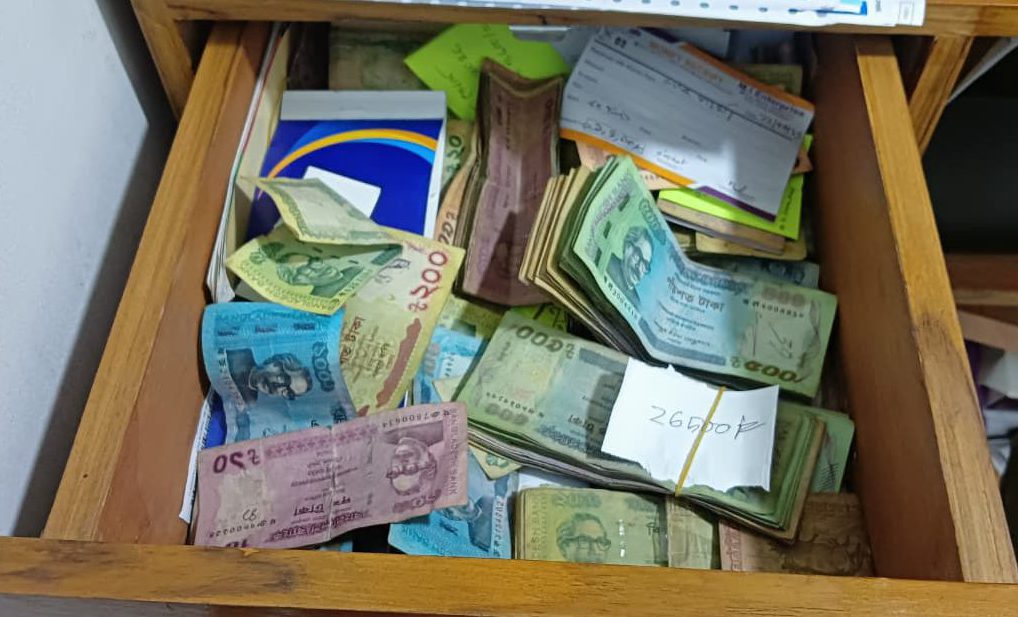
When cash is short: Recount everything first. Check your POS receipts, ledger entries, and any discounts given.
If the shortage is small and unexplained, inform your manager and close with the short amount recorded.
Never cover it from your own pocket without authorization.
If cash is over: Report it honestly to the owner. It may belong to a customer who overpaid.
Why This Happens More Than You Think
I’ve closed the register at midnight more times than I can count.
And I can tell you this — a cash shortage at the end of a long shift is one of the most stressful things a retail accountant faces.
Your feet hurt, it’s late, and the numbers just won’t match.
Most guides tell you to “recount carefully.” That’s true, but it’s not enough.
In two years of closing daily accounts at a departmental store, I’ve seen cash go short for reasons that no checklist prepared me for.
This article covers all of them — including a few I’ve never seen written about anywhere else.
Reason 1: Small Discounts That Quietly Add Up
This one surprises people the first time they hear it.
When a product costs $21.10 and a customer only has $21.00, we give them the $0.10 discount.
We do this many times a day — always within a small, agreed limit per transaction. By closing time, those tiny amounts have accumulated into a few dollars of unexplained shortage.
It’s not theft. It’s not negligence. It’s the reality of high-volume retail. In busy stores, a $1–$2 shortage on a $3,000 sales day — less than 0.1% variance — is considered within normal range.
But if it happens every single day, it becomes a real problem by month-end.
That’s why we treat even small shortages seriously and aim to keep shortage incidents to a maximum of 4–5 times per month.
💡 What to trackKeep a simple monthly log of shortage amounts and dates. If you see a pattern — same shift, same cashier, same day of the week — that pattern tells you something useful about where the process is breaking down.
Reason 2: Busy Hour Collection Errors
In the hours before closing, our store gets crowded. During peak periods we sometimes have 10–12 customers waiting at the counter at the same time.
In that pressure, a cashier takes $9.00 instead of $10.00 without realizing it. The customer walks away. The shortage shows up at closing.
This is a human problem, not a system problem. The only fix that actually works in practice: say the amount out loud before accepting payment. “That’s $10.00, sir.” It takes one extra second and saves 30 minutes of confusion at closing time.
✅ Simple habit, big impactSaying the amount aloud before accepting cash forces a moment of confirmation from both the cashier and the customer. It’s the single most effective habit for reducing busy-hour collection errors.
Reason 3: Counterfeit Notes (The One Nobody Talks About)
This is the reason I’ve never seen covered properly anywhere — and it happens more than people admit.
During busy hours, a customer hands you several high-value notes. One of them is fake. You’re serving multiple people at once.
You don’t have time to run every single note through the counterfeit detection machine individually. So you take the money, give the change, and move on.
At closing, when you count the notes carefully, you find it. The paper feels different. You hold it up to the light — the security features that should be there aren’t. It’s counterfeit.
How to detect fake notes without slowing down the queue
Even during the busiest periods, there are two quick checks you can do while placing notes in the drawer. They take under three seconds per note and catch the majority of fakes.
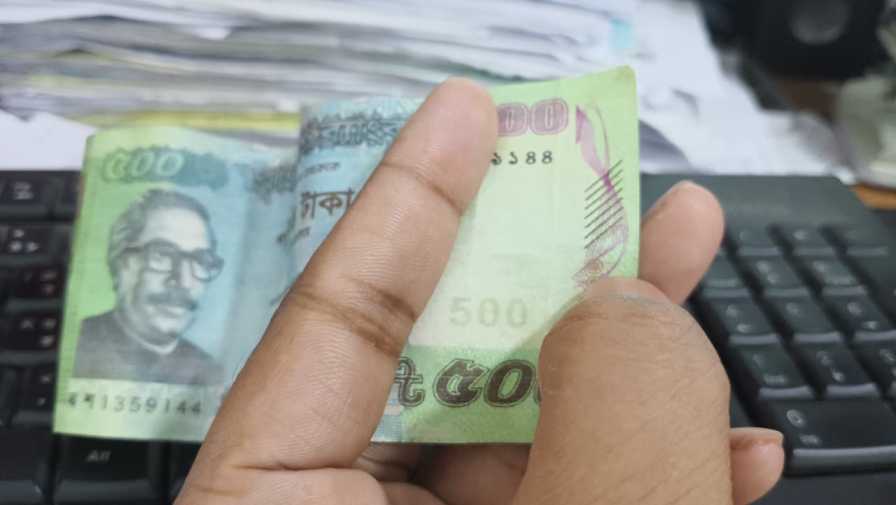
The texture check
Rub the note between your fingers along the edges. Genuine currency notes have a distinct texture from the intaglio printing process that most counterfeit notes cannot replicate. If it feels flat, smooth, or slightly waxy — look closer.
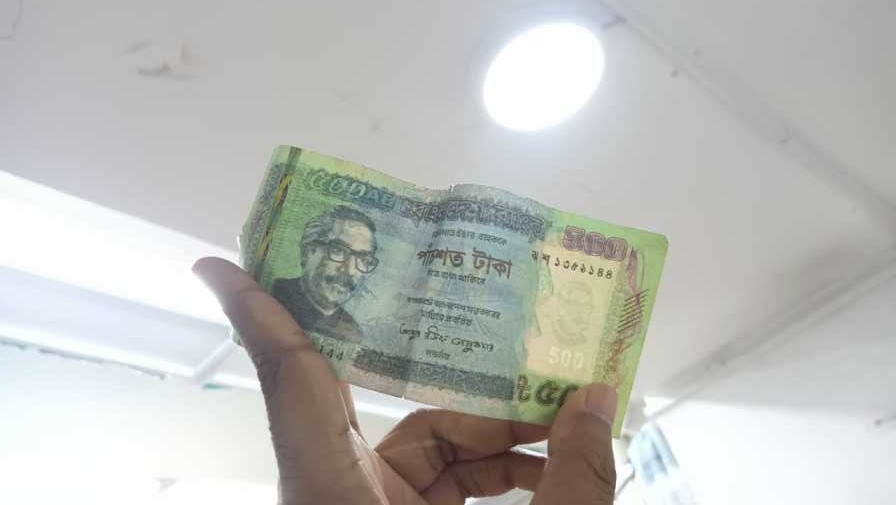
The light check
Hold any suspicious note toward a light source for one second. Genuine notes have specific watermarks and a security thread visible against the light. If these features are missing or look printed rather than embedded — it’s likely counterfeit.
Focus your attention on high-value denominations — in most countries, these are the most commonly targeted. In the US, $20 and $100 bills are counterfeited most often.
In the UK, it’s £20 and £50 notes. Whatever your local currency, apply the most scrutiny to your largest notes.
What happens when a counterfeit note is found at closing
There is nothing you can do about it at that point. The cashier who accepted it did not do so intentionally — nobody chooses to accept a counterfeit note during a busy shift.
The shortage — equal to that note’s full face value — is reported to the manager, who informs the owner.
The register is closed with that amount recorded as short. The counterfeit note is kept as evidence.
No one is held personally responsible for a single counterfeit note accepted in good faith during a busy period.
However, if it happens repeatedly on the same person’s shift, it becomes a training and process issue worth addressing.
Reason 4: POS Settlement Printed Too Early
This is the one that causes the biggest single-night shortages — and it’s entirely avoidable once you know about it.
When you print the POS (point of sale) settlement receipt before all card transactions for the day are complete, the receipt shows a lower total than what was actually collected.
When you then compare that incomplete figure against your sales software total, it looks like a large amount is missing — when in reality, all the money is there.
Real situation — the night a large amount “disappeared”
One night, our cash was showing a large, unexplained shortage. We recounted everything twice. We checked the ledger. Nothing explained it.
Then we found it — someone had printed the POS settlement receipt before the last few card transactions had gone through.
The receipt showed a lower total than what was actually collected. Once we got the correct final receipt, everything matched perfectly.
No exceptions. Whoever closes the register confirms this before touching the machine.
If your store has multiple cashiers, make this a shared checklist item — not one person’s responsibility.
Reason 5: Ledger Entry Missing or Wrong
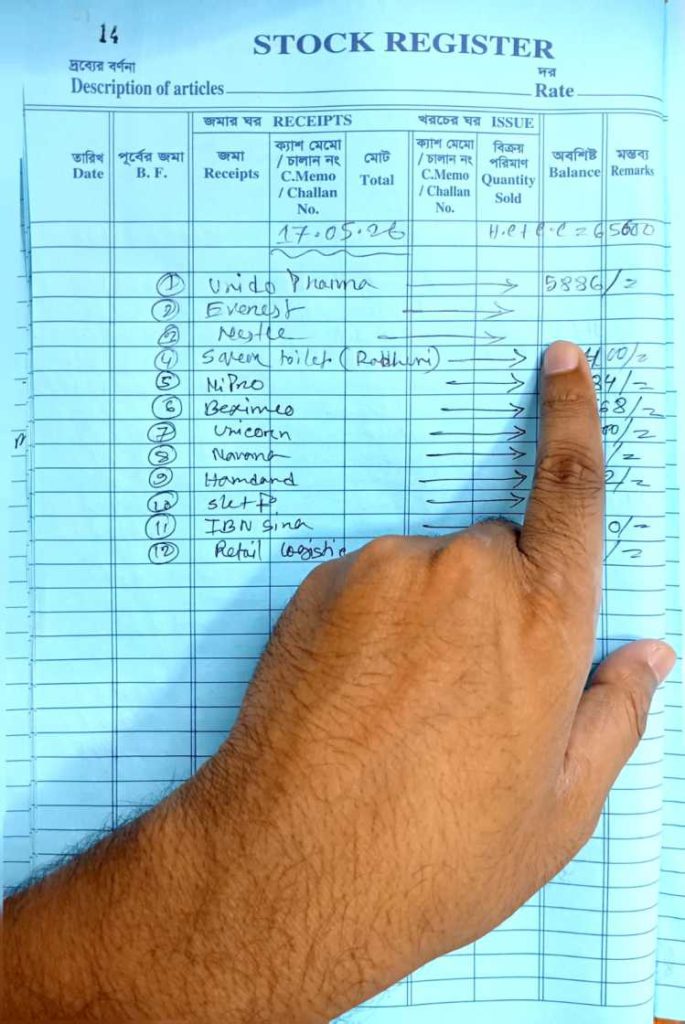
Throughout the day, small expenses are sometimes paid directly from the cash counter — a delivery fee, office supplies, a maintenance payment.
Every one of these should be recorded in a petty cash ledger at the moment it happens.
When that doesn’t happen — or when an entry is recorded incorrectly — the closing figure won’t add up.
A real ledger mistake that cost an hour.
One evening, a store expense was paid from the cash counter during the day. It was recorded in the ledger, but the entry was incomplete — the full amount wasn’t captured correctly.
At closing, when we added up the ledger, the figure was short. It took over an hour of cross-checking to trace the problem back to that single incomplete entry.
This is one reason why understanding the full retail accounting workflow matters so much in daily store operations.
What to Do Step by Step When Cash Is Short
Recount everything from scratch
Notes, coins, POS receipts, ledger total. Start again from the beginning. Many shortages disappear at this stage — a miscounted pile or a note placed in the wrong denomination stack.
Check your POS settlement receipts
Was each receipt printed after all transactions were complete? If there’s any doubt, reprint and recalculate. This step alone resolves most large, unexplained shortages.
Review the petty cash ledger
Is every expense recorded correctly and completely? Check for missing entries, wrong amounts, or expenses recorded twice.
Check high-value notes for counterfeits
Go through your largest denomination notes carefully under light. Use the texture check and light check described above.
Inform your manager — always
Even if the amount is small. Never close the register with a shortage your manager doesn’t know about. This protects you as much as it protects the store.
Record the shortage and close
If the shortage cannot be explained after a thorough check, record the exact short amount and close the register. Don’t delay closing indefinitely trying to find a small difference. Document it, report it, and investigate further the next day if needed.
What to Do When Cash Is Over
Most articles only talk about shortages — but a surplus deserves the same attention.
If your physical total is higher than the software figure, report it to the owner immediately.
Common reasons include a customer who accidentally overpaid, a counting error in your favour, or a POS receipt that was printed before all transactions were captured — causing the software figure to appear lower than actual collections.
✅ The right call — always
Never quietly keep a surplus or assume it will balance out tomorrow. Report it honestly, investigate the cause, and reconcile properly.
An unexplained surplus handled with transparency builds trust. One handled dishonestly — even once — can end a career.
Frequently Asked Questions
In high-volume retail, a small shortage can happen due to rounding discounts or counting mistakes. However, regular shortages should always be tracked and investigated.
This depends on local labor laws and company policy. Some employers may allow deductions, while others focus on improving store processes instead.
Retail staff can check the texture of the note, look for watermarks, and inspect security threads under light. High-value notes usually require extra attention.
Large shortages are commonly caused by POS errors, missing entries, refund mistakes, or incorrect cash counting rather than theft.
Report any extra cash immediately to the manager or store owner. Surplus cash may come from customer overpayment or a POS recording mistake.